The Cybercrime Law That Could Land You in Jail for a Tweet
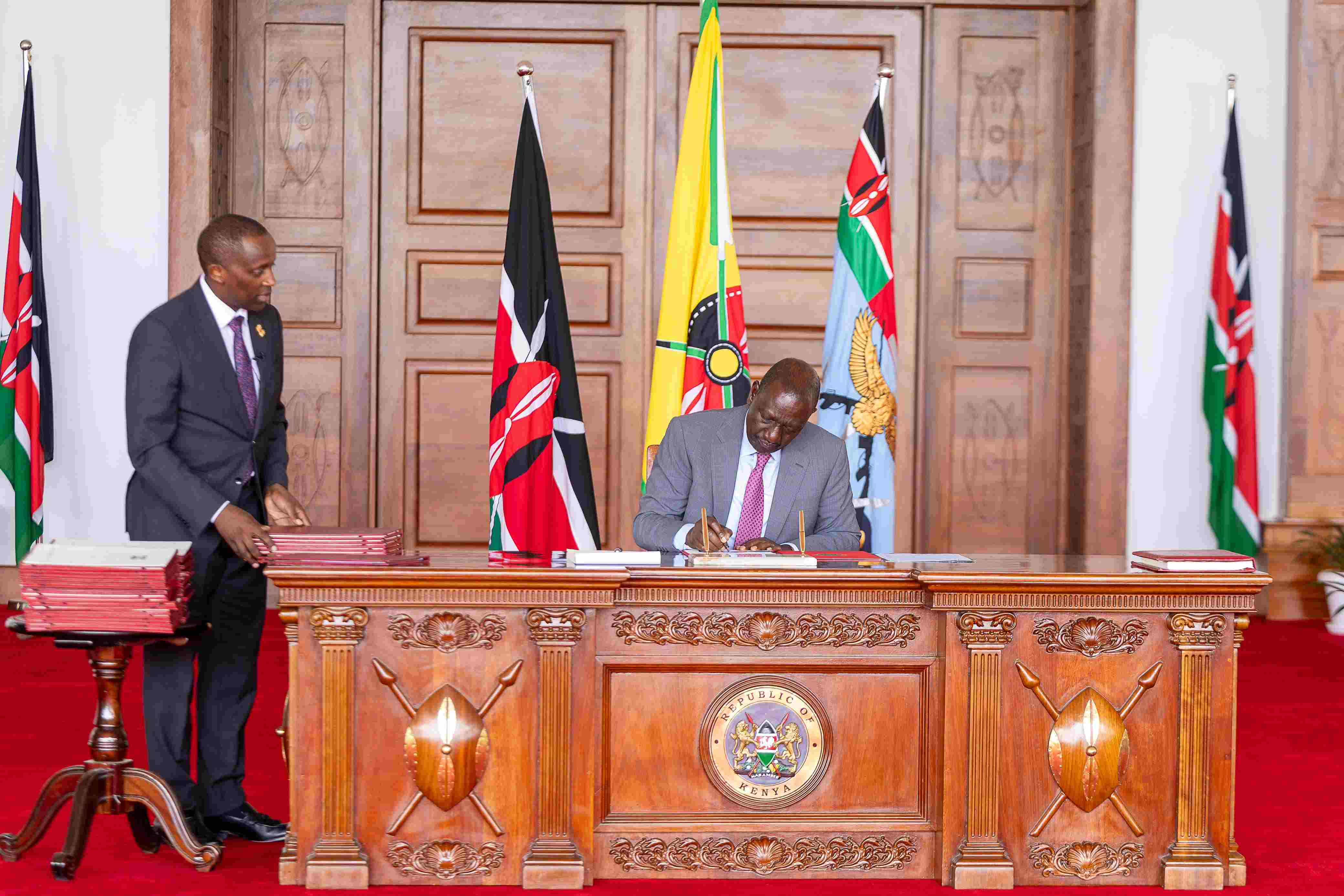
Wakenya, we need to talk about the Computer Misuse and Cybercrimes (Amendment) Act, 2024 that President Ruto signed into law on October 15, 2025.
What Just Happened?
On October 8, 2025, your elected MPs passed one of the most dangerous laws threatening our freedom of expression online. This law expands the government's power to control what we say, post, and share on the internet—and the penalties are brutal.
How This Law Affects YOU
You Could Pay KES 20 Million or Get 10 Years in Jail
If the government decides your online post "harasses" someone or could "likely cause" them distress, you're facing up to KES 20 million in fines OR 10 years behind bars. The language is so vague that almost any critical post could land you in trouble.
The Government Can Shut Down Websites WITHOUT a Court Order
The National Computer and Cybercrimes Coordination Committee (NC4) now has power to block any website or app they claim promotes "illegal activities, terrorism, or extreme religious practices"—without going to court first. No judicial oversight. No checks and balances. Just government censorship at the click of a button.
Your SIM Card Is Now a Weapon Against You
While SIM-swap fraud needed addressing, this law gives authorities another tool to track and control you. Combined with the proposed Kenya Information and Communications (Amendment) Bill that wants to monitor your internet usage in real-time, Big Brother is watching.
Phishing Arrests Can Target Activists
The expanded definition of phishing now includes phone calls, which sounds reasonable until you realize how easily this can be weaponized against whistleblowers and activists making anonymous calls to expose corruption.
Why We MUST Reject This Law
It Kills Free Speech
This law is designed to silence critics, intimidate journalists, and crush dissent. Remember Albert Ojwang, the blogger who died in police custody after being accused of spreading "false information"? This law makes those arrests easier and more common.
It's Already Being Abused
Kenya recorded 2.54 billion cyber threat incidents between January and March 2025—a 201.7% increase. But instead of protecting citizens, this law targets those who speak truth to power.
No Judicial Oversight = Dictatorship
When the government can shut down websites, arrest citizens, and demand user data without a judge's approval, we've crossed from democracy into authoritarianism.
The MPs Who Voted YES
While a complete voting record wasn't publicly released (suspicious, right?), here are the key architects:
SPONSORS & SUPPORTERS:
- Aden Daudi Mohamed - Wajir East (Main Sponsor)
- John Kiarie - Dagoretti South (Committee Chair who pushed it)
- Beatrice Elachi - Dagoretti North (Supported the bill)
The bill passed through Parliament with support from the majority, but MPs conveniently avoided publishing the full list of who voted YES. They know Kenyans are watching.
What WE Can Do RIGHT NOW
1. Support the Court Petition
The Bloggers Association of Kenya (BAKE) has a constitutional challenge pending at the Court of Appeal. The ruling is set for February 27, 2026. Follow their case and support digital rights organizations.
2. File Your Own Petition
Lawyer Evance Ndong has already filed a petition challenging the law's vague religious clause. More petitions mean more pressure. If you're an advocate or organization, consider filing.
3. Demand Accountability
Call, text, and visit your MP's office. Ask them point-blank: "Did you vote for this oppressive law?" Make them answer to YOU, their employer.
4. Amplify the Message
Share information about this law everywhere. The government is counting on Kenyans not knowing what's in it. Prove them wrong. Use hashtags like #RejectCybercrimeLaw #DigitalRightsKE #FreedomOfExpression.
5. Support Digital Rights Groups
Organizations like BAKE, Article 19 Eastern Africa, Kenya ICT Action Network (KICTANet), and ICJ Kenya are fighting this law. Support their work financially or by volunteering.
6. Document Everything
If you or someone you know is arrested under this law, document it. Get legal representation immediately. Contact digital rights organizations. We need to track every abuse to build a case for repealing this law.
7. Prepare for the Long Fight
The Court of Appeal ruling won't come until February 2026. In the meantime, be smart online but don't be silent. Use VPNs, encrypt your communications, and know your rights.
The Bottom Line
This law isn't about protecting Kenyans from cybercrime. It's about protecting corrupt politicians from exposure. It's about silencing the Gen-Z activists who shook the government in 2024. It's about controlling the narrative when they come for our freedoms.
We rejected the Finance Bill. We can reject this too.
The same energy that filled the streets must now fill the courts, the petitions, and the public discourse. Our constitution guarantees freedom of expression under Article 33. We will not let Parliament and the Executive tear it up.
Share this post. Save it. Send it to every Kenyan you know. They're counting on our silence. Let's give them our roar instead.
#RejectCybercrimeLaw
Stay informed. Stay vigilant. Stay free.
Follow for More Exposés
Stay informed about corruption, injustice, and the fight for accountability in Kenya
Follow @moonyao11